Pasta Primavera is a delightful dish that brings the freshness of spring right to your dinner table. This Italian-inspired pasta dish features a vibrant medley of seasonal vegetables sautéed to perfection and tossed with your choice of pasta. Whether you’re looking for a quick weeknight meal or a flavorful option for entertaining guests, this recipe has you covered. With its bright colors and delicious flavors, it’s hard not to fall in love with this dish. The best part? It’s incredibly versatile! You can use any vegetables you have on hand or prefer, making it a great way to clean out your fridge. Plus, it doesn’t require an extensive list of ingredients or complicated steps. In just under 30 minutes, you can serve up a bowl of warm pasta primavera that will satisfy both your appetite and your taste buds. Let’s dive into why you’ll love this recipe!

Jump to:
- Why You’ll Love This Pasta Primavera
- Ingredients for Pasta Primavera
- How to Make Pasta Primavera
- Tips and Tricks
- How to Serve Pasta Primavera
- Make Ahead and Storage
- Suggestions for Pasta Primavera
- Choosing the Wrong Pasta
- Overcooking Vegetables
- Skipping Fresh Herbs
- Neglecting Seasonality
- FAQs
- What is Pasta Primavera?
- How can I customize my Pasta Primavera?
- Can I make Pasta Primavera ahead of time?
- What are some good side dishes with Pasta Primavera?
- Conclusion for Pasta Primavera
- 📖 Recipe Card
Why You’ll Love This Pasta Primavera
- Quick and Easy: Minimal prep time and straightforward steps make this recipe stress-free, even for novice cooks
- Flavorful and Versatile: Enjoy outstanding flavor with ingredients you can easily customize by adding your favorites or adjusting spices
- Perfect for Any Occasion: Ideal for casual gatherings, holiday celebrations, or weeknight dinners
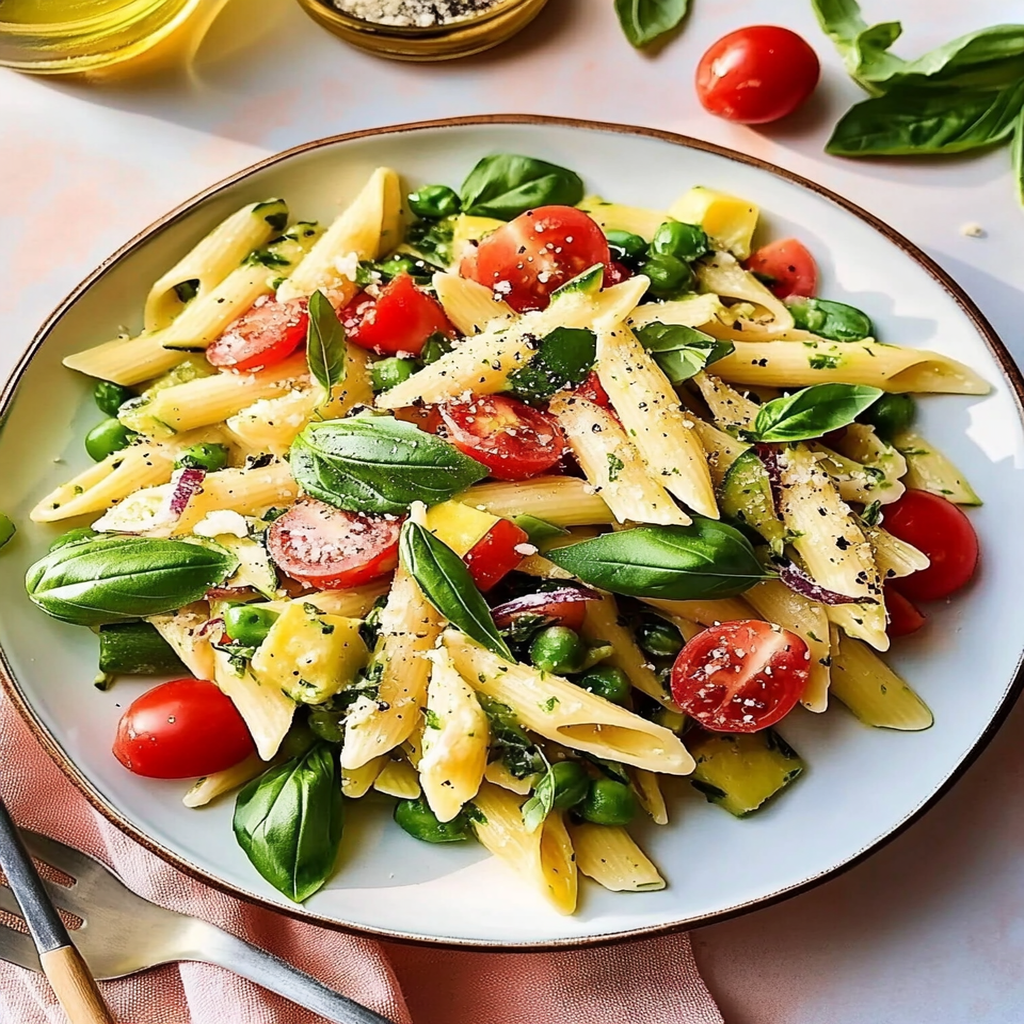
Ingredients for Pasta Primavera
Here’s what you’ll need to make this delicious dish:
- Pasta: Choose your favorite type; bowtie or penne work well as they hold the sauce nicely.
- Assorted Fresh Vegetables: Bell peppers, zucchini, asparagus, and cherry tomatoes are all excellent choices for color and flavor.
- Olive Oil: Use extra virgin olive oil for the best taste when sautéing the vegetables.
- Garlic: Fresh minced garlic adds aromatic depth; adjust according to your preference.
- Parmesan Cheese: Grated Parmesan not only enhances the dish’s flavor but also adds creaminess.
For the Sauce:
- Lemon Juice: Freshly squeezed lemon juice brightens the flavors; substitute with lime if desired.
The full ingredients list, including measurements, is provided in the recipe card directly below.
How to Make Pasta Primavera
Follow these simple steps to prepare this delicious dish:
Step 1: Cook the Pasta
Bring a large pot of salted water to a boil. Add the pasta and cook according to package instructions until al dente. Reserve about half a cup of pasta water before draining.
Step 2: Sauté the Vegetables
In a large skillet over medium heat, add olive oil. Once hot, add minced garlic and sauté for about one minute until fragrant. Then add assorted fresh vegetables and cook until tender yet crisp.
Step 3: Combine Ingredients
Add the drained pasta into the skillet with sautéed vegetables. Pour in reserved pasta water as needed for moisture.
Step 4: Season to Taste
Add freshly squeezed lemon juice and grated Parmesan cheese. Stir well to combine all flavors.
Step 5: Serve Immediately
Transfer to plates or bowls while hot. Drizzle with additional olive oil if desired.
Step 6: Garnish (Optional)
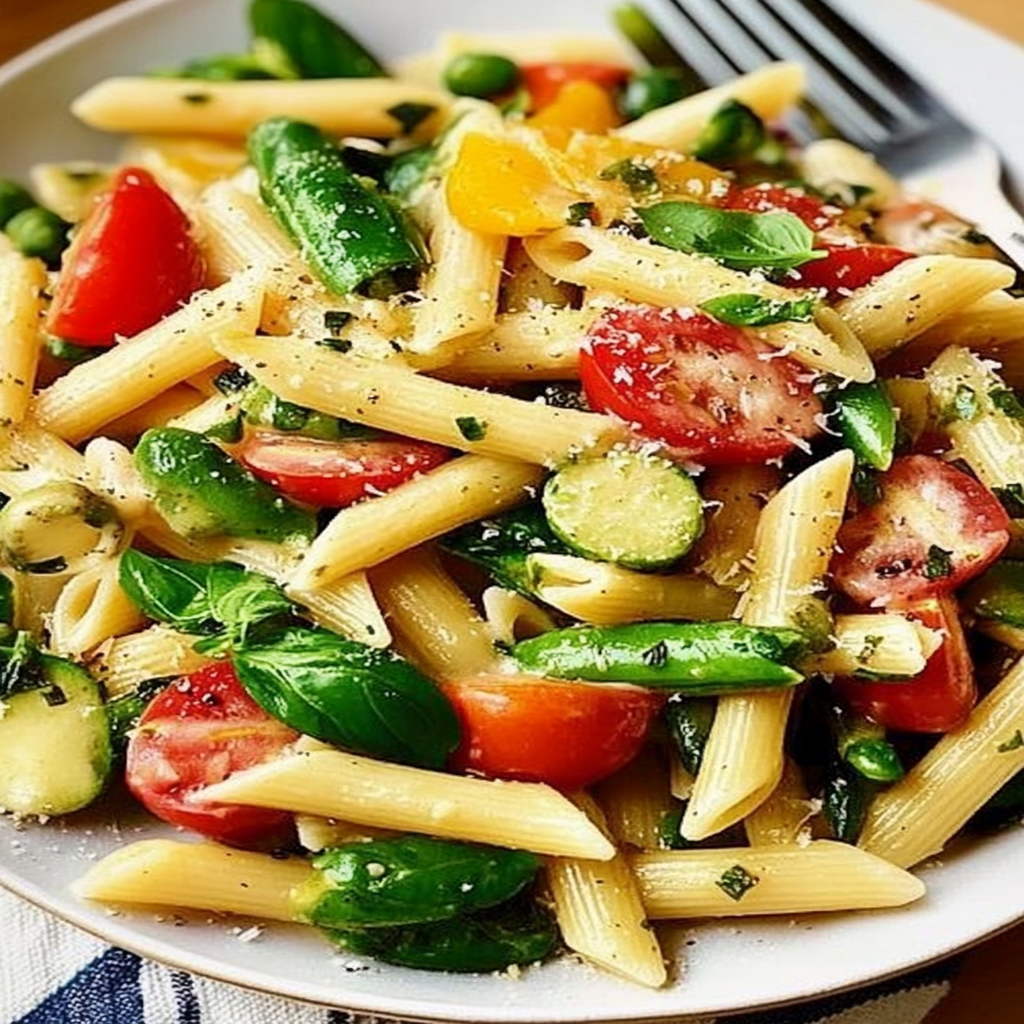
Top with extra grated Parmesan or fresh herbs like basil for an appealing presentation.
Transfer to plates and drizzle with sauce for the perfect finishing touch.
Tips and Tricks
Here are some helpful tips to ensure the best results for your dish:
- Even Cooking: Make sure all ingredients are cut to similar sizes for consistent cooking times.
- Temperature Control: Let ingredients reach room temperature before starting for better results.
- Advanced Technique: For enhanced flavor, try marinating the vegetables in olive oil and lemon juice before cooking.
How to Serve Pasta Primavera
This Pasta Primavera is versatile and pairs wonderfully with:
- Rice or Potatoes: A hearty base that soaks up the delicious sauce.
- Fresh Salad: Adds a crisp and refreshing contrast to the rich flavors of the dish.
- Crusty Bread: Perfect for enjoying every last drop of the flavorful sauce.
Feel free to pair it with your favorite sides for a personalized meal!
Make Ahead and Storage
- Make Ahead: You can prepare the vegetables and sauce up to two days in advance. Store them separately in airtight containers in the refrigerator. Cook the pasta fresh when ready to serve, which takes about 8-10 minutes.
- Storing: Leftovers can be stored in an airtight container in the refrigerator for up to three days. For longer storage, consider freezing the pasta primavera in a freezer-safe container for up to three months.
- Reheating: To reheat, place leftovers in a saucepan over medium heat, adding a splash of water or broth. Stir occasionally until heated through, which should take about 5-7 minutes. Alternatively, use a microwave on medium power for about 2-3 minutes, stirring halfway through.
Suggestions for Pasta Primavera
Choosing the Wrong Pasta
When making Pasta Primavera, selecting the right type of pasta is crucial. Many people opt for thick or heavy pasta, which can overshadow the vibrant vegetables that define this dish. Instead, choose lighter options like spaghetti, fettuccine, or penne. These varieties allow for better absorption of the sauce and complement the fresh flavors of seasonal vegetables. Additionally, cooking the pasta al dente ensures it retains its structure and provides a pleasing texture when mixed with other ingredients. Remember to salt your boiling water generously; this enhances the pasta’s flavor and helps it stand up to the sauce.
Overcooking Vegetables
One common mistake in preparing Pasta Primavera is overcooking the vegetables. The goal is to maintain their crispness and vibrant colors while allowing them to blend harmoniously with the pasta. Start by sautéing harder vegetables like carrots and bell peppers first, followed by softer ones like zucchini and spinach. Cooking them for just a few minutes will preserve their nutrients and appealing texture. A quick blanching method can also work wonders; briefly immerse them in boiling water before shocking them in ice water to lock in color and crunch.
Skipping Fresh Herbs
Fresh herbs are a game-changer in Pasta Primavera, yet many cooks overlook their importance. Dried herbs can’t replicate the bright flavor that fresh basil, parsley, or oregano bring to this dish. Adding fresh herbs at the end of cooking helps enhance aroma and freshness while ensuring they don’t wilt or lose flavor. Consider using a mix of herbs for complexity; basil pairs wonderfully with tomatoes, while parsley adds a nice contrast to creamier sauces. Always chop herbs just before use to maximize their essential oils and freshness.
Neglecting Seasonality
Pasta Primavera celebrates seasonal produce, but neglecting this aspect can lead to bland results. Using out-of-season vegetables often means relying on frozen or canned options that lack vibrancy and taste. To elevate your dish, visit local farmers’ markets or grocery stores that prioritize seasonal offerings. Spring brings asparagus, peas, and radishes; summer offers zucchini, bell peppers, and tomatoes; while autumn showcases squash and root vegetables. By incorporating seasonal ingredients, you’ll ensure that your Pasta Primavera bursts with flavor throughout the year.

FAQs
What is Pasta Primavera?
Pasta Primavera is a delightful Italian dish that consists of pasta tossed with fresh vegetables and a light sauce. The term “primavera” means spring in Italian, reflecting the use of seasonal produce like bell peppers, carrots, zucchini, and green peas. Traditionally served with olive oil or a light cream sauce, this dish highlights the natural flavors of each vegetable while providing a satisfying meal option. It’s perfect for those looking for a healthy yet hearty dinner or lunch choice.
How can I customize my Pasta Primavera?
There are many ways to customize your Pasta Primavera according to your taste preferences or dietary restrictions. You can experiment with different types of pasta such as whole grain or gluten-free varieties if needed. Additionally, feel free to mix up the veggies based on what’s available seasonally or what you prefer. Adding proteins like grilled chicken, shrimp, or chickpeas can also make this dish more filling. Lastly, consider different sauces; you could swap olive oil for pesto or even create a light lemon-garlic dressing for added zing.
Can I make Pasta Primavera ahead of time?
Yes! You can prepare Pasta Primavera ahead of time for convenience during busy weeknights or meal prep sessions. Cook the pasta al dente and store it separately from sautéed vegetables to prevent sogginess later on. When ready to serve, simply reheat both components together over low heat until warmed through. You may want to add an extra splash of olive oil or broth if things seem dry during reheating. This adaptability makes Pasta Primavera not only delicious but also practical for meal planning.
What are some good side dishes with Pasta Primavera?
Pairing sides with your Pasta Primavera can enhance your dining experience perfectly! A simple green salad dressed with lemon vinaigrette complements this dish beautifully without overwhelming it. Garlic bread is another classic choice that works well alongside any pasta meal by adding a satisfying crunch and flavor contrast. For something heartier yet still light, consider serving roasted vegetables seasoned with herbs as an additional side dish; they echo the flavors found in your main course perfectly.
Conclusion for Pasta Primavera
Pasta Primavera stands out as a vibrant dish that celebrates fresh vegetables and seasonal produce while providing endless customization options. To create an outstanding version of this recipe, be mindful of key tips such as choosing appropriate pasta types and avoiding overcooked vegetables while incorporating fresh herbs for enhanced flavor profiles. Always prioritize seasonal ingredients to achieve maximum freshness in every bite you take! With these suggestions in mind along with helpful FAQs about preparation methods or pairing ideas available at your fingertips—you’ll surely impress friends and family alike when serving up this delightful meal!
Did You Enjoy Making This Recipe? Please rate this recipe with ⭐⭐⭐⭐⭐ or leave a comment.
📖 Recipe Card
Print
Pasta Primavera
- Total Time: 30 minutes
- Yield: Serves 4
Description
Pasta Primavera is a delightful Italian dish that showcases the vibrant flavors of fresh seasonal vegetables. This colorful pasta dish is not only visually appealing but also quick to prepare, making it a fantastic choice for weeknight dinners or special gatherings. With its base of your favorite pasta, tossed with sautéed bell peppers, zucchini, asparagus, and cherry tomatoes, this dish bursts with nutrition and flavor. Drizzled with olive oil and finished with Parmesan cheese and a splash of lemon juice, Pasta Primavera is as versatile as it is delicious—perfect for customizing with any veggies you have on hand. In just under 30 minutes, you can create a warm bowl of Pasta Primavera that will impress your family and friends alike.
Ingredients
- Pasta (bowtie or penne)
- Assorted fresh vegetables (bell peppers, zucchini, asparagus, cherry tomatoes)
- Olive oil
- Garlic
- Parmesan cheese
- Lemon juice
Instructions
- Cook pasta according to package instructions in salted water until al dente; reserve half a cup of pasta water before draining.
- In a skillet over medium heat, add olive oil and minced garlic, sautéing until fragrant.
- Add assorted fresh vegetables and cook until tender yet crisp.
- Combine drained pasta with sautéed vegetables; add reserved pasta water as needed.
- Stir in lemon juice and grated Parmesan cheese; mix well.
- Serve immediately, garnishing with extra Parmesan or fresh herbs if desired.
- Prep Time: 10 minutes
- Cook Time: 20 minutes
- Category: Main
- Method: Sautéing
- Cuisine: Italian
Nutrition
- Serving Size: 1 serving
- Calories: 340
- Sugar: 3g
- Sodium: 250mg
- Fat: 12g
- Saturated Fat: 3g
- Unsaturated Fat: 8g
- Trans Fat: 0g
- Carbohydrates: 45g
- Fiber: 5g
- Protein: 12g
- Cholesterol: 10mg