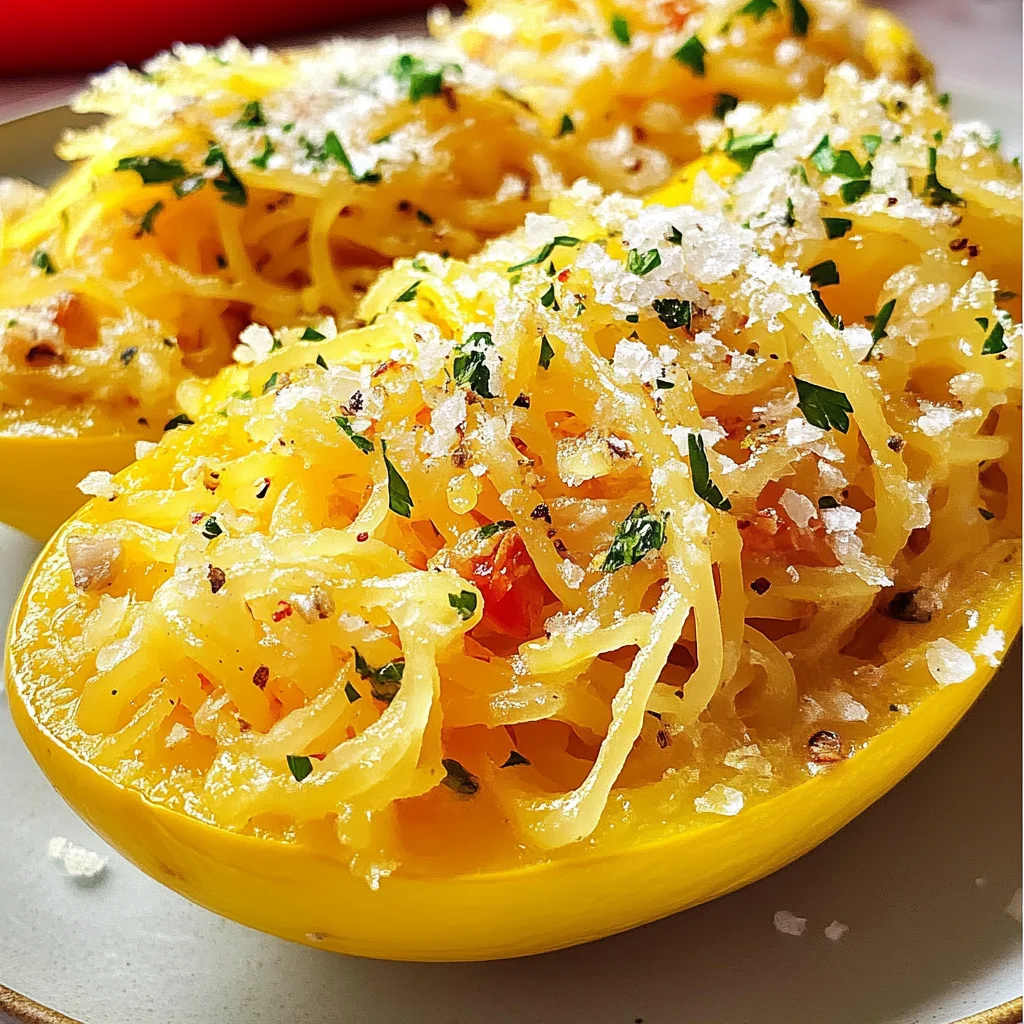
This recipe is all about how to cook spaghetti squash perfectly, transforming it into delicious, al dente strands that enhance any dish. Whether you’re looking for a healthy side or a gluten-free pasta alternative, this method shines in its simplicity and versatility. Ideal for fall and winter meals, spaghetti squash brings warmth and comfort to your table while being low in calories and high in nutrients.
Jump to:
- Why You’ll Love This Recipe
- Tools and Preparation
- Essential Tools and Equipment
- Importance of Each Tool
- Ingredients
- For Spaghetti Squash
- For Seasoning
- How to Make How to Cook Spaghetti Squash
- Step 1: Preheat the Oven
- Step 2: Prepare the Squash
- Step 3: Roast the Squash
- Step 4: Fluff the Strands
- How to Serve How to Cook Spaghetti Squash
- As a Pasta Substitute
- In Salads
- With Proteins
- As a Breakfast Bowl
- How to Perfect How to Cook Spaghetti Squash
- Best Side Dishes for How to Cook Spaghetti Squash
- Common Mistakes to Avoid
- Refrigerator Storage
- Freezing How to Cook Spaghetti Squash
- Reheating How to Cook Spaghetti Squash
- Frequently Asked Questions
- How do I know when my spaghetti squash is done?
- Can I cook spaghetti squash in a slow cooker?
- What dishes can I make with cooked spaghetti squash?
- How long does cooked spaghetti squash last?
- Final Thoughts
- 📖 Recipe Card
Why You’ll Love This Recipe
- Easy to Prepare: This method requires minimal effort and time. Just a few simple steps lead to a flavorful dish.
- Healthy Alternative: Enjoy the benefits of a vegetable-based meal without sacrificing taste. Spaghetti squash is low in carbs and rich in vitamins.
- Versatile Ingredient: Use it as a base for various dishes, from salads to main courses. It pairs well with many sauces and toppings.
- Family-Friendly: This dish appeals to both kids and adults alike, making it perfect for family dinners or gatherings.
- Seasonal Appeal: Perfectly suited for fall and winter meals, spaghetti squash embodies the comforting flavors of the season.
Tools and Preparation
To cook spaghetti squash effectively, specific tools are beneficial. Having the right equipment ensures you achieve the best texture and flavor.
Essential Tools and Equipment
- Baking sheet
- Sharp knife
- Fork
- Mixing bowl
Importance of Each Tool
- Baking sheet: Used for roasting the squash evenly, allowing it to caramelize beautifully.
- Sharp knife: Essential for safely slicing through the tough skin of the squash.
- Fork: Needed for fluffing the strands once cooked, ensuring they separate easily.
Ingredients
This is my go-to method for creating perfect al dente spaghetti squash strands to use in vegetable sides and main dishes. The exact timing will vary depending on the heat of your oven and the size of your squash.
For Spaghetti Squash
- 1 spaghetti squash
For Seasoning
- extra-virgin olive oil
- sea salt
- freshly ground black pepper
How to Make How to Cook Spaghetti Squash
Step 1: Preheat the Oven
Preheat your oven to 400°F (200°C). This temperature ensures that your spaghetti squash roasts evenly.
Step 2: Prepare the Squash
- Slice the spaghetti squash in half lengthwise.
- Scoop out all seeds and ribbing with a spoon.
- Drizzle olive oil inside each half, then sprinkle with salt and pepper.
Step 3: Roast the Squash
- Place each half cut side down on a baking sheet lined with parchment paper.
- Use a fork to poke holes on the skin side of each half.
- Roast in the oven for 30 to 40 minutes until tender but still slightly firm.
Step 4: Fluff the Strands
- Remove from oven and carefully flip each half so they are cut side up.
- Allow to cool slightly before handling.
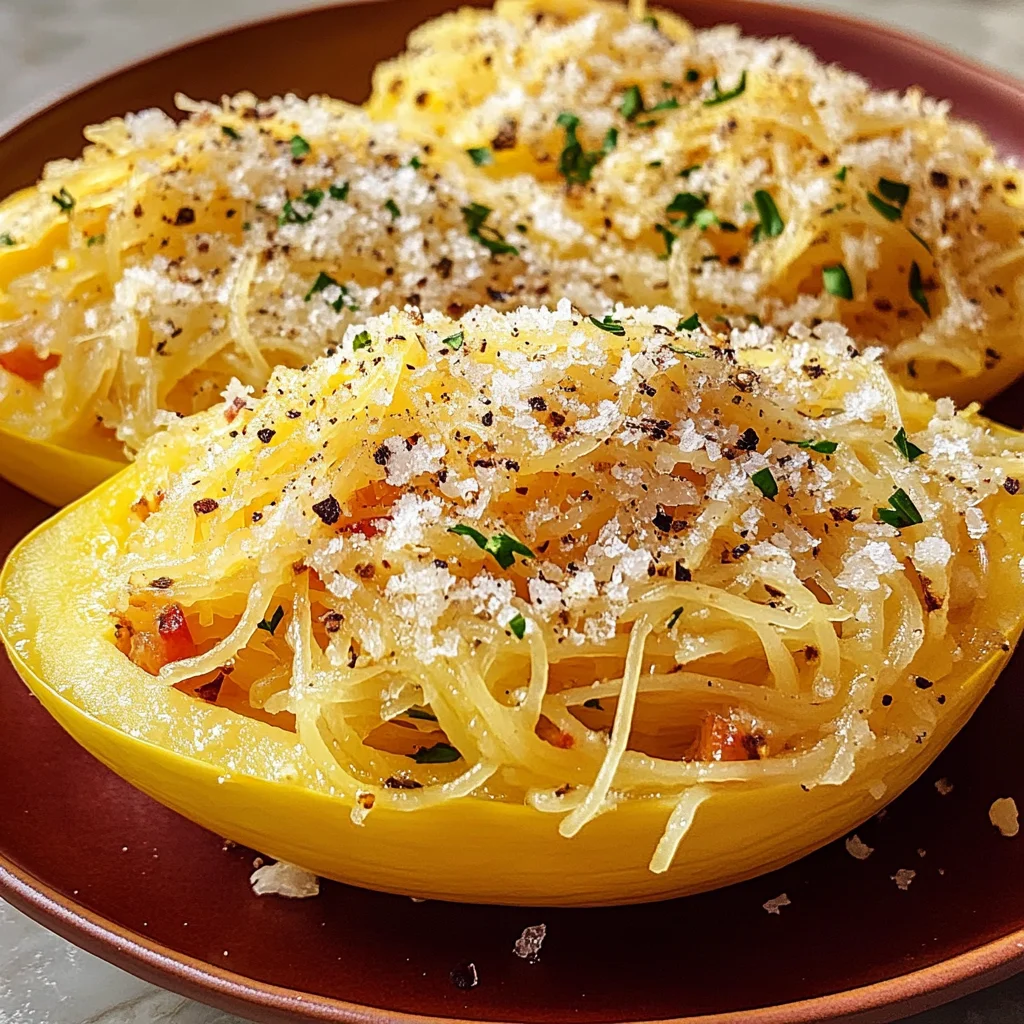
- Use a fork to scrape along the sides, fluffing the strands into a bowl.
Enjoy your perfectly cooked spaghetti squash as a nutritious base for various dishes!
How to Serve How to Cook Spaghetti Squash
Spaghetti squash is a versatile ingredient that can be enjoyed in many ways. Here are some delicious serving suggestions to enhance your meal.
As a Pasta Substitute
- Marinara Sauce: Top your spaghetti squash with homemade or store-bought marinara sauce for a classic dish.
- Pesto: Toss the strands with fresh basil pesto for a quick and flavorful option.
In Salads
- Mediterranean Salad: Combine spaghetti squash with cherry tomatoes, olives, and feta cheese for a refreshing salad.
- Caesar Salad: Use the squash as a base and add romaine lettuce, croutons, and Caesar dressing.
With Proteins
- Grilled Chicken: Serve spaghetti squash alongside grilled chicken breast for a balanced meal.
- Shrimp Scampi: Pair it with sautéed shrimp in garlic butter for an elegant touch.
As a Breakfast Bowl
- Eggs and Avocado: Top spaghetti squash with poached eggs and sliced avocado for a nutritious breakfast.
How to Perfect How to Cook Spaghetti Squash
To achieve the best texture and flavor when cooking spaghetti squash, follow these helpful tips.
- Choose the Right Squash: Select a firm, heavy spaghetti squash without soft spots for optimal taste.
- Preheat the Oven Properly: Make sure your oven is fully preheated to 400°F before roasting for even cooking.
- Cut Carefully: Use a sharp knife when slicing the squash to avoid injury; cut straight down the center.
- Don’t Skip Poking Holes: Poking holes helps steam escape during roasting, preventing the squash from becoming too mushy.
- Check Doneness Frequently: Test the squash at 30 minutes; it should be fork-tender but not overly soft.
- Fluff Immediately After Roasting: Fluffing the strands right after removing it from the oven enhances texture.
Best Side Dishes for How to Cook Spaghetti Squash
Pairing side dishes with your spaghetti squash can elevate your meal. Here are some great options to consider.
- Garlic Bread: A crunchy garlic bread complements the softness of spaghetti squash beautifully.
- Roasted Vegetables: Seasonal veggies roasted until caramelized bring out earthy flavors that pair well.
- Quinoa Salad: A protein-rich quinoa salad adds a nutty crunch and balances out the dish nicely.
- Sautéed Greens: Lightly sautéed spinach or kale adds nutrition and color to your plate.
- Coleslaw: A tangy slaw provides a nice contrast in texture and flavor to the dish.
- Stuffed Peppers: Colorful stuffed peppers filled with grains or beans make for a hearty side that’s visually appealing.
Common Mistakes to Avoid
Cooking spaghetti squash can be tricky if you’re not aware of some common pitfalls. Here are mistakes to watch out for:
- Boldly cutting the squash incorrectly: Always slice the spaghetti squash lengthwise for even cooking and easier access to the strands.
- Not preheating the oven: Skipping this step can lead to uneven cooking. Always preheat your oven to ensure consistent results.
- Overcooking the squash: Cooking it too long can make it mushy. Check for doneness at 30 minutes and adjust as needed.
- Ignoring size variations: Different squash sizes require different cooking times. Be observant and adjust based on what you have.
- Neglecting seasoning: A lack of salt, pepper, or olive oil can make your dish bland. Don’t skip these key flavor enhancers.
Refrigerator Storage
- Store cooked spaghetti squash in an airtight container.
- It will last up to 5 days in the refrigerator.
Freezing How to Cook Spaghetti Squash
- Allow cooked squash to cool completely before freezing.
- Place it in freezer-safe containers or bags, removing as much air as possible.
- It can be frozen for up to 3 months.
Reheating How to Cook Spaghetti Squash
- Boldly using the Oven: Preheat your oven to 350°F and heat for about 15 minutes until warm throughout.
- Boldly using the Microwave: Place in a microwave-safe dish, cover, and heat on high for about 2-3 minutes, stirring halfway through.
- Boldly using Stovetop: Sauté over medium heat in a skillet with a little olive oil for about 5 minutes until heated through.
Frequently Asked Questions
Here are some common questions people ask when learning how to cook spaghetti squash.
How do I know when my spaghetti squash is done?
You’ll know it’s done when the outside is lightly browned and fork-tender but still firm enough not to fall apart.
Can I cook spaghetti squash in a slow cooker?
Yes! Place halved spaghetti squash in a slow cooker with water and cook on low for 6-8 hours or high for about 3-4 hours.
What dishes can I make with cooked spaghetti squash?
You can use it as a base for pasta dishes, salads, or even casseroles. It’s versatile!
How long does cooked spaghetti squash last?
When stored properly in the refrigerator, it lasts up to 5 days. If frozen, it can last up to 3 months.
Final Thoughts
Cooking spaghetti squash is not only simple but also offers a healthy alternative to traditional pasta. Its versatility allows you to customize it with your favorite sauces and toppings. Give this recipe a try, and enjoy experimenting with flavors!
Did You Enjoy Making This Recipe? Please rate this recipe with ⭐⭐⭐⭐⭐ or leave a comment.
📖 Recipe Card
Print
How to Cook Spaghetti Squash
- Total Time: 50 minutes
- Yield: Serves 4
Description
Cooking spaghetti squash is a delightful way to enjoy a nutritious and versatile vegetable that makes a fantastic gluten-free pasta alternative. This guide will walk you through the simple steps to achieve perfectly cooked, al dente strands of spaghetti squash that can enhance any dish. With its mild flavor, spaghetti squash easily absorbs your favorite sauces and toppings, making it a family-friendly option for meals throughout the fall and winter months. Whether served as a base for hearty marinara or tossed in a fresh salad, this healthy recipe is sure to impress.
Ingredients
- 1 spaghetti squash
- extra-virgin olive oil
- sea salt
- freshly ground black pepper
Instructions
- Preheat your oven to 400°F (200°C).
- Slice the spaghetti squash in half lengthwise and scoop out seeds.
- Drizzle olive oil inside each half and sprinkle with salt and pepper.
- Place cut side down on a lined baking sheet and poke holes in the skin.
- Roast for 30-40 minutes until tender but still firm.
- Flip cut side up, let cool slightly, then fluff the strands with a fork.
- Prep Time: 10 minutes
- Cook Time: 40 minutes
- Category: Side Dish
- Method: Baking
- Cuisine: American
Nutrition
- Serving Size: 1 cup (150g)
- Calories: 42
- Sugar: 1g
- Sodium: 10mg
- Fat: 0.5g
- Saturated Fat: 0.1g
- Unsaturated Fat: 0.4g
- Trans Fat: 0g
- Carbohydrates: 10g
- Fiber: 2g
- Protein: 1g
- Cholesterol: 0mg