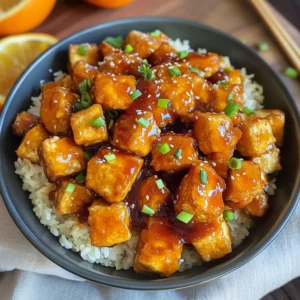
Korean Beef Bibimbap Bowl is a vibrant and nutritious dish that combines the rich flavors of marinated beef with fresh vegetables and a perfectly fried egg, all served over warm rice. This dish is not only visually appealing but also offers a delightful medley of textures and tastes, making it a perfect meal for any time of the day. With its roots deeply embedded in Korean cuisine, bibimbap translates to “mixed rice” and embodies a harmony of ingredients that can be easily customized to suit various dietary preferences. Whether you’re looking for a quick weeknight dinner or a show-stopping centerpiece for your next gathering, this bowl has you covered. ground beef and broccoli dish In just under an hour, you can whip up an authentic Korean Beef Bibimbap that will impress family and friends alike. The balance of flavors from the savory beef, crisp vegetables, and spicy gochujang sauce creates an unforgettable dining experience that is sure to become a household favorite. So roll up your sleeves and get ready to dive into this delicious recipe that brings Korea’s culinary essence right to your kitchen. For more inspiration, check out this easy beef and noodles recipe recipe.

Jump to:
- Why You’ll Love This Korean Beef Bibimbap Bowl
- Ingredients for Korean Beef Bibimbap Bowl
- How to Make Korean Beef Bibimbap Bowl
- Tips and Tricks
- How to Serve Korean Beef Bibimbap Bowl
- Make Ahead and Storage
- Suggestions for Korean Beef Bibimbap Bowl
- Choose the Right Rice
- Marinating the Beef
- Balancing Vegetables
- Perfecting the Egg
- FAQs
- What is bibimbap?
- Can I make Korean Beef Bibimbap Bowl vegetarian?
- How do I store leftovers of my bibimbap?
- What variations can I try?
- Conclusion for Korean Beef Bibimbap Bowl
- 📖 Recipe Card
Why You’ll Love This Korean Beef Bibimbap Bowl
- Quick and Easy: Minimal prep time and straightforward steps make this recipe stress-free, even for novice cooks quick salmon recipe.
- Flavorful and Versatile: Enjoy outstanding flavor with ingredients you can easily customize by adding your favorites or adjusting spices
- Nutrient-Packed: With a variety of vegetables and lean protein, this bowl offers a balanced meal that’s as healthy as it is delicious
Ingredients for Korean Beef Bibimbap Bowl
Here’s what you’ll need to make this delicious dish:
- Ground Beef: Use lean ground beef for optimal flavor without excessive fat; about one pound should suffice for four servings.
- Cooked Rice: Short-grain white rice works best; prepare about two cups so each serving has a hearty base.
- Vegetables: A mix of carrots, spinach, zucchini, and bean sprouts adds freshness; choose organic where possible for better taste.
- Gochujang Sauce: This spicy red pepper paste is essential for authentic flavor; adjust the amount based on your heat preference.
- Sesame Oil: A splash enhances the dish’s nuttiness; look for high-quality sesame oil for the best results.
For the Sauce:
- Soy Sauce: Use low-sodium soy sauce to better control the saltiness while still achieving depth in flavor.
The full ingredients list, including measurements, is provided in the recipe card directly below. For more inspiration, check out this teriyaki meatballs recipe recipe.

How to Make Korean Beef Bibimbap Bowl
Follow these simple steps to prepare this delicious dish:
Step 1: Prepare the Rice
Begin by cooking your rice according to package instructions—typically around 20 minutes in boiling water until tender.
Step 2: Cook the Beef
In a skillet over medium-high heat, add ground beef and cook until browned, about 5-7 minutes. Drain excess fat if necessary.
Step 3: Add Flavor
Once the beef is cooked through, stir in gochujang sauce along with soy sauce and sesame oil; let it simmer on low heat for another five minutes.
Step 4: Sauté the Vegetables
In a separate pan, heat some sesame oil over medium heat. Add sliced carrots, zucchini, spinach, and bean sprouts; sauté until tender but still crisp—approximately seven minutes.
Step 5: Fry the Eggs
In another non-stick pan, fry eggs sunny-side up until whites are set but yolks remain runny; this usually takes about three minutes.
Step 6: Assemble the Bowls
Divide cooked rice among bowls, top with seasoned beef mixture followed by sautéed vegetables and finally place the fried egg on top.
Transfer to plates and drizzle with additional gochujang sauce or sesame seeds for the perfect finishing touch.
Tips and Tricks
Here are some helpful tips to ensure the best results for your dish:
- Even Cooking: Make sure all ingredients are cut to similar sizes for consistent cooking times
- Temperature Control: Let ingredients reach room temperature before starting for better results
- Advanced Technique: For enhanced flavor, try marinating the beef overnight in soy sauce and sesame oil
How to Serve Korean Beef Bibimbap Bowl
This Korean Beef Bibimbap Bowl is versatile and pairs wonderfully with:
- Rice or Potatoes: A hearty base that soaks up the delicious sauce.
- Fresh Salad: Adds a crisp and refreshing contrast to the rich flavors of the dish.
- Crusty Bread: Perfect for enjoying every last drop of the flavorful sauce.
Feel free to pair it with your favorite sides for a personalized meal!
Make Ahead and Storage
- Make Ahead: Prepare the beef and vegetables ahead of time. Cook the beef in advance and store it in an airtight container for up to three days. You can also pre-cut vegetables and keep them in the fridge for quick assembly.
- Storing: Store any leftovers in an airtight container, where they can last for up to four days in the refrigerator. For longer storage, consider freezing portions in freezer-safe bags for up to three months.
- Reheating: To reheat, microwave on medium power for about two minutes, stirring halfway through. Alternatively, heat in a pan over medium heat until warmed through, which takes about five minutes.
Suggestions for Korean Beef Bibimbap Bowl
Choose the Right Rice
Selecting the appropriate rice is crucial for a perfect Korean Beef Bibimbap Bowl. Short-grain rice, commonly used in Korean cuisine, provides a sticky texture that holds together well. Avoid long-grain varieties, as they tend to be drier and less cohesive. Rinse your rice thoroughly before cooking to remove excess starch, ensuring it cooks evenly and achieves that desirable chewy consistency. Cooking rice with the right water-to-rice ratio will also impact the final dish’s texture. Aim for a 1: 1 ratio of water to rice for best results.
Marinating the Beef
Marinating beef is an essential step in crafting a flavorful Korean Beef Bibimbap Bowl. Use a mixture of soy sauce, sesame oil, garlic, and sugar to enhance the meat’s taste. Ensure you allow the beef to marinate for at least 30 minutes, although overnight marination yields superior flavor. Avoid over-marinating, as this can result in a mushy texture. When cooking the beef, ensure it’s seared at high heat to lock in juices and achieve that perfect caramelization.
Balancing Vegetables
In a Korean Beef Bibimbap Bowl, vegetables play a vital role in enhancing both flavor and nutrition. Include a variety of vegetables such as spinach, carrots, and bean sprouts for color and crunch. Sauté or blanch them lightly to preserve their nutrients while ensuring they remain crisp. Be cautious not to overcrowd your bowl with too many veggies—balance is key! Overloading may cause flavors to clash rather than complement each other.
Perfecting the Egg
The egg is often considered the crown jewel of a Korean Beef Bibimbap Bowl. For an authentic touch, choose a fried egg with a runny yolk that can blend into the dish when mixed. Avoid overcooking the egg; it should be cooked just until the whites are set while keeping the yolk deliciously gooey. If you prefer alternatives like poached or scrambled eggs, ensure they maintain a creamy texture without drying out.
FAQs
What is bibimbap?
Bibimbap is a traditional Korean dish that translates to “mixed rice.” It typically consists of cooked rice topped with various ingredients like marinated meats, sautéed vegetables, and often an egg. Each component adds distinct flavors and textures, creating a harmonious meal when mixed together. The dish allows for creativity; you can incorporate seasonal vegetables or substitute different proteins based on personal preferences.
Can I make Korean Beef Bibimbap Bowl vegetarian?
Absolutely! Transforming your Korean Beef Bibimbap Bowl into a vegetarian delight is simple and delicious. Substitute meat with tofu or tempeh, which can also absorb marinades well for added flavor. Use plenty of colorful vegetables such as zucchini, mushrooms, and bell peppers. Don’t forget to top your bowl with an egg or an alternative like avocado for creaminess while maintaining that satisfying bite.
How do I store leftovers of my bibimbap?
Storing leftovers from your Korean Beef Bibimbap Bowl requires careful attention to maintain freshness. Store each component separately in airtight containers; this prevents sogginess and preserves flavors longer. Refrigerated leftovers should be consumed within three days for optimal taste and safety. When reheating, consider warming each ingredient separately before assembling your bowl again to retain its original texture.
What variations can I try?
There are countless ways to customize your Korean Beef Bibimbap Bowl! You might experiment with different proteins like chicken or shrimp for varied flavors. Additionally, switch up your vegetables based on what’s available or in season; options like radishes or kale work wonderfully too! You could also play around with sauces—gochujang adds heat while sesame dressing brings nutty undertones. quick chicken bowl recipe.
Conclusion for Korean Beef Bibimbap Bowl
Creating a delightful Korean Beef Bibimbap Bowl involves balancing flavors and textures through thoughtful selection of ingredients. Start by choosing short-grain rice for its stickiness and cook it properly to achieve that perfect base layer. Marinate your beef adequately while ensuring it’s cooked just right for maximum flavor impact. Incorporate fresh vegetables and don’t overlook the significance of that runny fried egg on top! By avoiding common pitfalls such as overcrowding ingredients or overcooking components, you’ll elevate your bibimbap experience significantly. Enjoy crafting this harmonious dish that beautifully combines taste and nutrition!
Did You Enjoy Making This Recipe? Please rate this recipe with ⭐⭐⭐⭐⭐ or leave a comment.
📖 Recipe Card
Print
Korean Beef Bibimbap Bowl
- Total Time: 50 minutes
- Yield: Serves 4
Description
Korean Beef Bibimbap Bowl is a delightful, colorful dish that perfectly captures the essence of Korean cuisine. This vibrant bowl features savory marinated beef, fresh vegetables, and a perfectly fried egg served over warm rice. Not only is it quick to prepare, but it also offers a satisfying blend of textures and flavors that are customizable to suit any taste. Ideal for family dinners or gatherings, this bibimbap is a guaranteed crowd-pleaser.
Ingredients
- 1 lb lean ground beef
- 2 cups short-grain white rice (cooked)
- 1 cup carrots (julienned)
- 1 cup spinach (fresh)
- 1 cup zucchini (sliced)
- 1 cup bean sprouts
- 3 tbsp gochujang sauce (adjust for spice level)
- 1 tbsp sesame oil
- 2 tbsp low-sodium soy sauce
- 4 eggs
Instructions
- Cook the rice according to package instructions; set aside.
- In a skillet, brown ground beef over medium-high heat (5-7 minutes), draining excess fat.
- Stir in gochujang, soy sauce, and sesame oil; simmer on low for 5 minutes.
- Sauté vegetables in sesame oil over medium heat until tender-crisp (about 7 minutes).
- Fry eggs sunny-side up until whites are set but yolks are runny (about 3 minutes).
- Assemble bowls by layering rice, beef mixture, sautéed vegetables, and topping with fried egg. Drizzle with additional gochujang if desired.
- Prep Time: 20 minutes
- Cook Time: 30 minutes
- Category: Main
- Method: Skillet
- Cuisine: Korean
Nutrition
- Serving Size: 1 bowl (approx. 400g)
- Calories: 610
- Sugar: 4g
- Sodium: 850mg
- Fat: 26g
- Saturated Fat: 9g
- Unsaturated Fat: 15g
- Trans Fat: 0g
- Carbohydrates: 65g
- Fiber: 4g
- Protein: 30g
- Cholesterol: 240mg